
A valuation may ultimately result in a number, but getting to that number is becoming increasingly sophisticated. Better data, tighter financing requirements, sustainability considerations and more complex ownership structures are changing what clients expect from a valuer. For Vincent Gommers, Head of Valuation & Advisory at CEUSTERS, that evolution creates an opportunity. His team is growing, investing in new expertise and sharpening its position in the more complex segments of the property market.
The valuation lens
Data
A stronger starting point
ESG
Part of financing
Expertise
Judgement in context
BUILDING A BROADER VALUATION TEAM
“Valuation is becoming more data-driven, but at the same time it requires an increasingly broad understanding of real estate,” says Gommers. “That is also reflected in the profiles we are bringing into the team.”
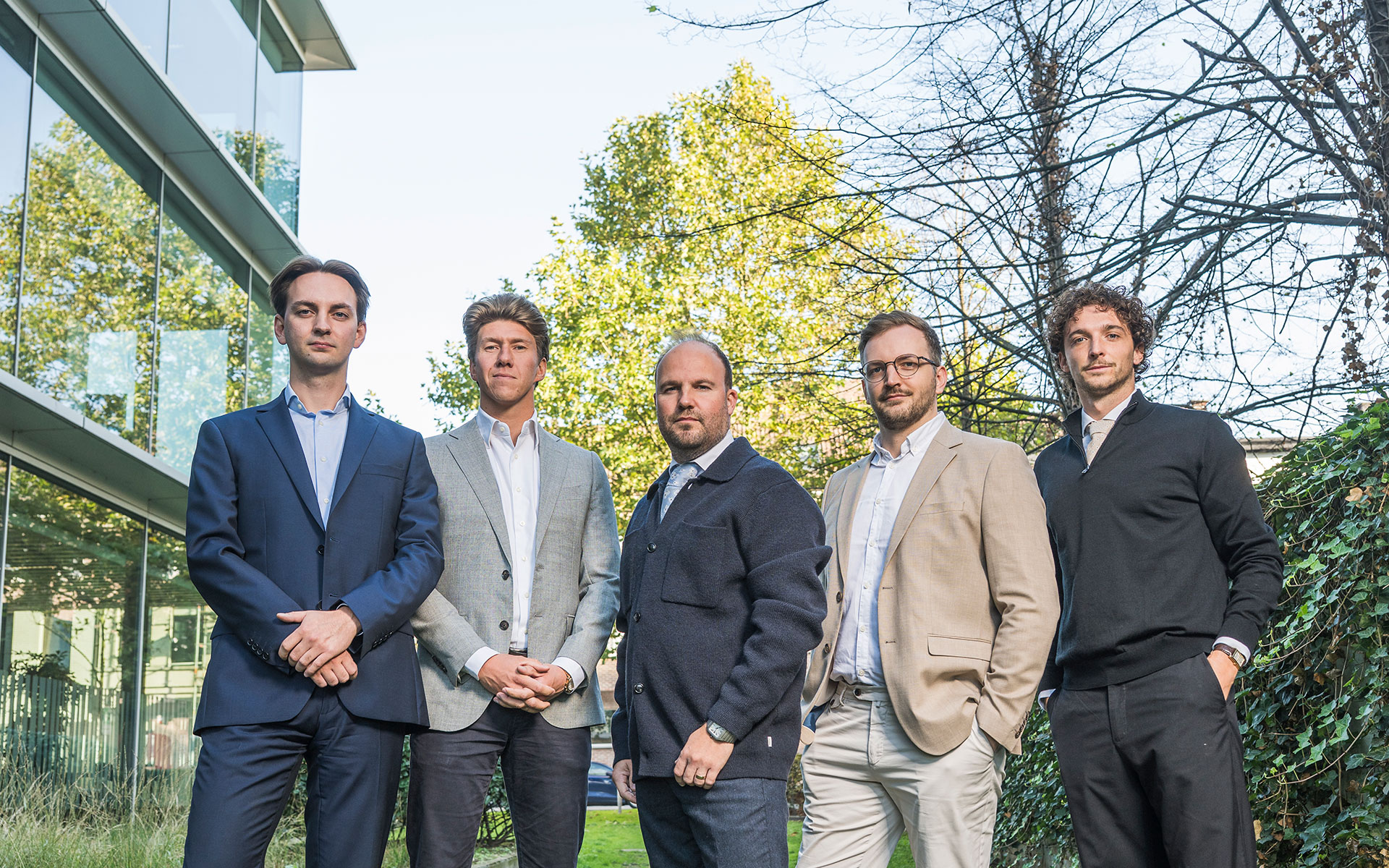
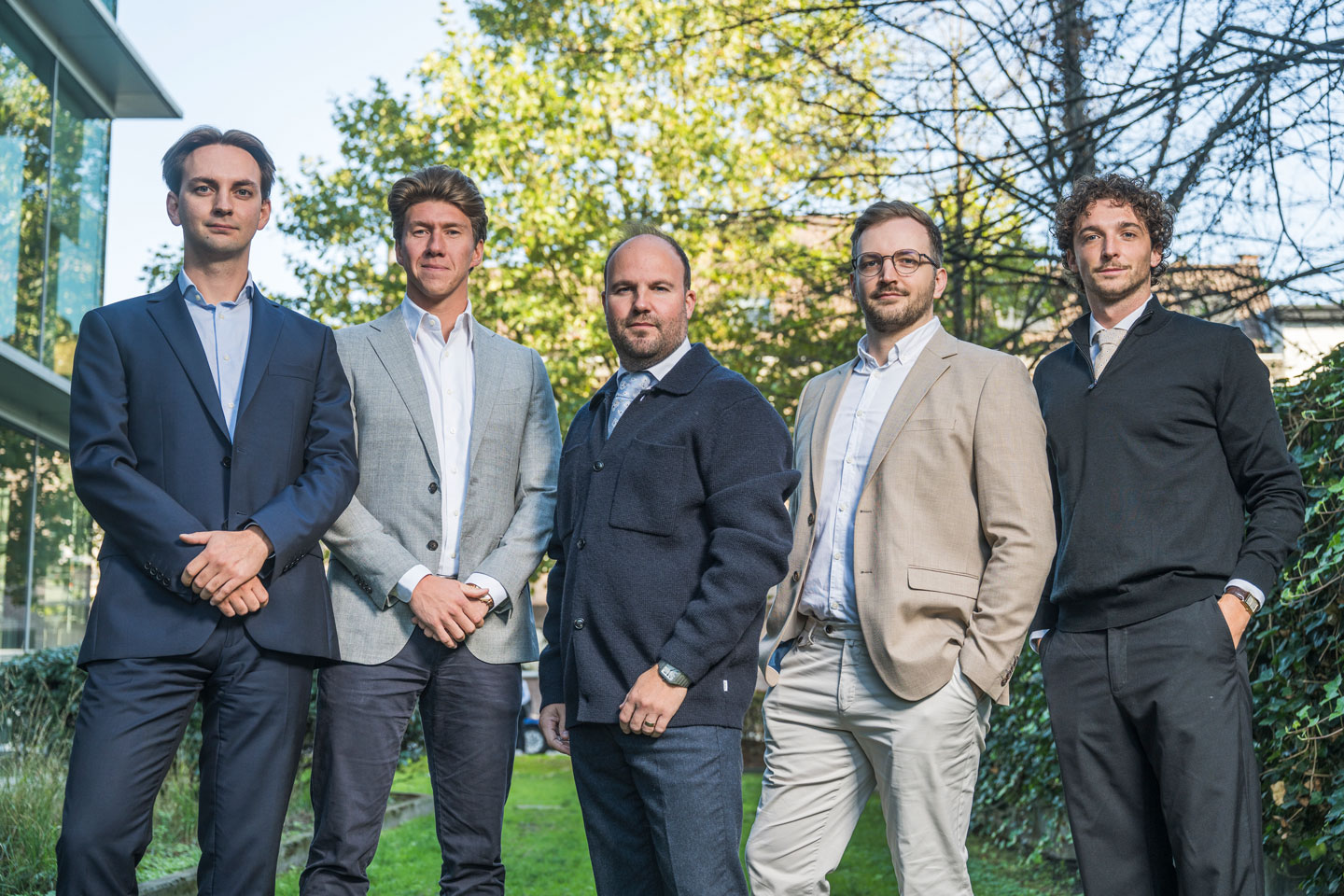
Over the past eighteen months, CEUSTERS has strengthened its valuation practice with several complementary profiles. Marten Ansoms, who joined in 2025, combines a background in business management with additional training in data analysis. Mathieu Verspeet, who joined in April 2026, studied Business Administration at KU Leuven, specialising in Financial Analysis and Valuation, complemented by tax training. And Joris Van der Meijs, who joined a month later, brings extensive residential valuation experience as well as recognised expertise in the energy performance of buildings.
The combination is deliberate: financial analysis, property expertise, sustainability and data skills are increasingly interconnected. “We want people who can understand the property, understand the numbers behind it and work intelligently with data,” Gommers explains. “That makes the team stronger and ultimately improves both the efficiency and the accuracy of our valuations.”
“Data should give us a better starting point, but someone still has to understand the building, the market and the story behind the numbers.”
TURNING DATA INTO BETTER VALUATIONS
That growing data expertise feeds into a broader effort to structure and process information more efficiently. CEUSTERS is investing in the way valuation data is collected, organised and used, gradually building a stronger internal data environment.
The objective is not to replace the valuation expert with an algorithm. “Automated valuation models can be very effective when you have thousands of comparable residential properties,” Gommers says. “Our sweet spot is generally different. We deal extensively with offices, retail, industrial property and mixed assets. Those are much harder to standardise and require a thoughtful analysis.”
Data nevertheless plays an increasingly important role. Better structured information means faster processing, a larger evidence base and more consistency. “And speed matters,” Gommers adds. “Valuation often comes towards the end of a financing or negotiation process. The terms have been agreed, the closing is approaching, and suddenly the valuation becomes urgent. Being able to act swiftly and go the extra mile to serve our clients is a part of the CEUSTERS DNA.”
SUSTAINABILITY MOVES INTO THE FINANCING EQUATION
Another change is taking place outside the valuation profession itself. For some time now, sustainability regulations and other ESG aspects are embedded in the property market and both clients and financial institutions are paying much closer attention to the future-proofing of the assets they respectively purchase and finance.
Questions about EPC ratings, renewable energy, heat pumps, fossil-fuel dependence and planned upgrades are becoming part of financing discussions and therefore increasingly relevant to valuation reporting, as they are connected to liquidity, financing and ultimately value.
CEUSTERS is therefore gradually broadening the interaction between valuation and its wider sustainability expertise. “The interesting question will increasingly be not only what a building is worth today, but what investment is required to keep it attractive, financeable and valuable tomorrow.”
The interesting question will increasingly be not only what a building is worth today, but what investment is required to keep it attractive, financeable and valuable tomorrow.
THE REAL ESTATE SPECIALIST AT THE M&A TABLE
There is another area where Gommers sees growth for valuation: mergers and acquisitions. Real estate can represent a considerable part of a company’s underlying value, yet it is often only one component of a much larger transaction. Accountants, corporate finance advisers and M&A specialists are experts in enterprise value, cash flows, goodwill and transaction structures. The property component requires a different set of skills. “That is where we can unburden them,” says Gommers. “The client can concentrate on the business and the transaction, while we independently deliver the market value of the real estate.”
The same applies to family-owned businesses and succession planning. A company may own its headquarters, production facilities, warehouses or a separate, usually mixed portfolio accumulated over several decades. When ownership changes, family assets are divided or a company is sold, understanding the independent value of each of those properties becomes essential.
CEUSTERS’ advantage, Gommers argues, lies in combining independence with proximity to the transaction market. “We are valuers, but CEUSTERS is also active in other branches of the real estate market every day. We understand what tenants are looking for, what investors are buying and how different types of property perform. That market proximity provides context that pure data cannot always capture.”
LOCAL EXPERTISE, EUROPEAN REACH
For cross-border assignments, CEUSTERS combines its Belgian market knowledge with the reach of the Praxi Valuations network, an international alliance of independent valuation specialists.
That gives clients access to local experts across European markets while keeping the relationship coordinated through a familiar partner. CEUSTERS works within the network both for foreign clients requiring valuations in Belgium and to serve Belgian clients whose real estate activities extend into other European countries. “For portfolio valuations, that is a real strength,” says Gommers. “You can offer an international solution, but the valuation itself is still carried out by people who genuinely understand their local market.”
WHERE JUDGEMENT STILL MATTERS
Technology already automates parts of the process. Gommers supports that evolution. CEUSTERS is investing in data precisely because technology can eliminate repetitive work and allow valuers to concentrate on what matters most.
But he also sees a clear boundary. The more standardised an asset is, the easier it becomes to model. The more complex the case, the more important professional judgement becomes.
That is where Gommers wants CEUSTERS to be. “Data should make us faster and more accurate. It should give us a better starting point. But ultimately, someone still has to understand the building, the market and the story behind the numbers.” And increasingly, that may be the most valuable part of a valuation.
Data should give us a better starting point, but someone still has to understand the building, the market and the story behind the numbers.